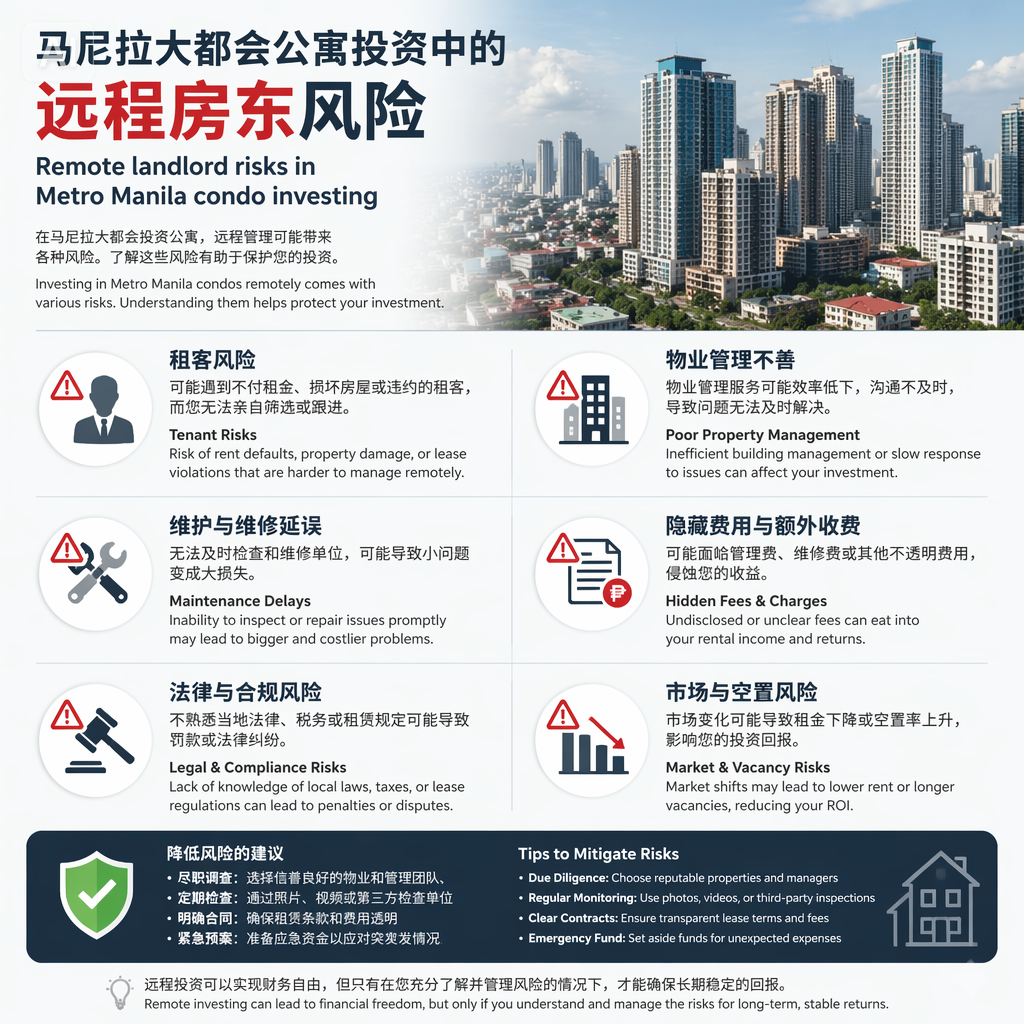
For overseas investors managing real estate in Metro Manila, reaching the 5-year benchmark is a crucial milestone. High-density residential Manila condos—especially those built with rapid modular casting techniques—inevitably face their first major wave of “quality trials” between Year 5 and Year 10.
Under the tropical climate of the Philippines, characterized by heavy monsoon rainfall, high humidity, and coastal salt air, minor structural and mechanical flaws in these Manila condos can quickly compound into severe operational headaches. Based on multi-year property maintenance data across major developments, here are the 4 critical hidden risks every owner must inspect and how to implement proactive physical defenses to protect your investment.
🛠️ The 4 Critical Maintenance Risks in Manila Condos
1. Concealed Plumbing Leaks (Risk Level: ⭐⭐⭐⭐⭐)
The Problem: During the initial construction phase of many Manila condos, internal water pipes are joined using local fittings and adhesives. After 5 years, micro-settlement of the building structure and daily water pressure fluctuations can cause microscopic fractures in concealed pipe joints behind bathroom tiles and concrete walls.
Preventive Defense:
- Static Meter Test: Turn off all taps and water fixtures overnight. Check the main water meter outside the unit. If the meter is still ticking slowly, an internal wall leak is actively occurring inside your Manila condos.
- Pipe Pressure Test: During tenant turnover or vacancy, pay a certified engineering team to conduct a formal Hydrostatic Pressure Test to identify hidden pressure drops before severe wall damage occurs.
2. Electrical Circuit Degradation & AC Bracket Corrosion (Risk Level: ⭐⭐⭐⭐)
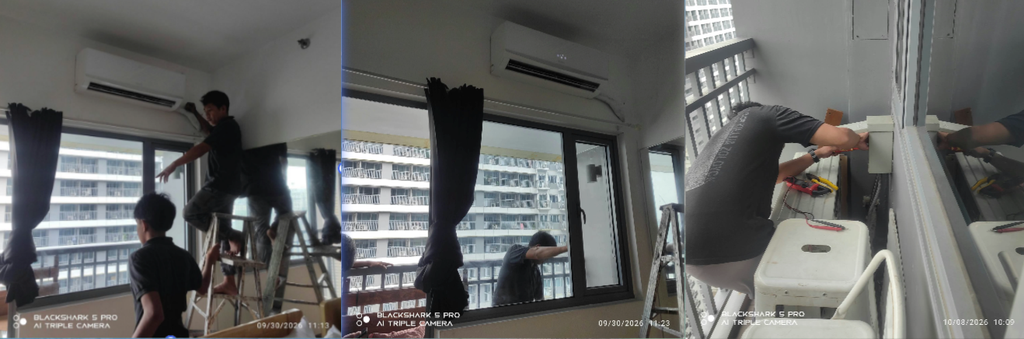
The Problem: Years of heavy AC usage cause severe thermal fatigue on high-power circuit breakers (Aircon Switches), leading to sudden, unexplainable tripping or breaker failure. Simultaneously, original exterior iron brackets for aircon outdoor units in high-rise Manila condos suffer severe rust from humid, salty air, posing a dangerous high-altitude falling hazard.
Preventive Defense:
- Insulation Diagnostic: When troubleshooting electrical trips, insist that technicians perform a Megger Insulation Resistance Test rather than mere static running tests.
- Anti-Rust Coating: Request HVAC technicians to inspect external brackets during routine cleaning and apply specialized Anti-Rust Paint or reinforced structural support.
3. Micro-Cracks & Interior Wall Mold (Risk Level: ⭐⭐⭐⭐)
The Problem: Thermal expansion causes micro-cracks in exterior concrete walls of Manila condos after 5 years. During typhoon seasons, driving rainwater seeps through these hairline fractures, causing interior paint near windows and corridors to bubble, peel, and develop stubborn mold.
Preventive Defense:
- Do not simply wipe away visible mold. Scrape off the damaged plaster and apply specialized anti-microbial and waterproof topcoats (such as Boysen or Davies premium waterproof lines) to form a protective seal on the walls of your Manila condos.
- Boysen Official Website: https://www.boysen.com.ph/
(It is the top paint manufacturer in the local market of the Philippines, with extremely high popularity in the country) - Davies Official Website: https://daviespaints.com.ph/
(Also a top two professional waterproofing and construction coating brand in the Philippines)
4. Pest Invasion via Exhaust Shafts & Utility Ducts (Risk Level: ⭐⭐⭐⭐⭐)
The Problem: In high-density Manila condos with dozens of units per floor, shared exhaust ducts and plumbing chases become breeding grounds for pests over time. Without proper barriers, pests enter units directly through exhaust hoods and ceiling gaps.
Preventive Defense:
- Install a Spring Check Valve: Fit a heavy-duty, spring-loaded non-return check valve at the kitchen range hood exhaust outlet. The valve opens only when the exhaust fan runs and stays tightly sealed when idle, completely blocking pest entry routes into your Manila condos property.
📋 Summary: The Long-Term Investor’s Playbook
Proactive maintenance at the 5-year mark is the line between an asset that generates predictable cash flow and one that incurs cascading repair costs and tenant disputes. Inspecting angle valves, upgrading paint seals, and auditing electrical breakers today ensures your Manila condos remain a prime, trouble-free asset for the next decade.
To ensure your long-term success, we highly recommend collaborating with professional local property management teams who understand the unique structural challenges of Manila condos. Taking these preventive steps now will secure your rental yield and maintain the premium valuation of your property.
Have questions about managing property remotely in Metro Manila? Contact our team or share your experience in the comments below.