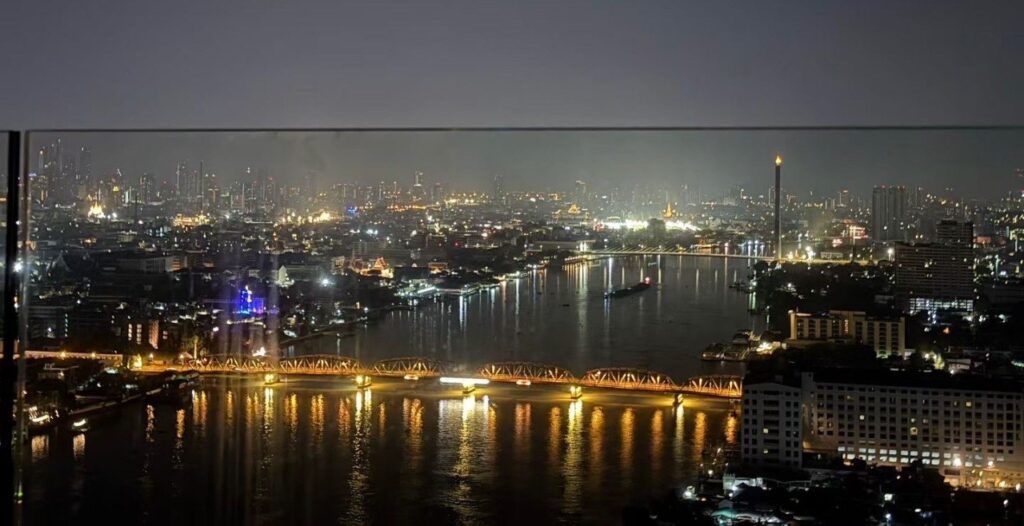
The world is wide, but risk is everywhere. Living an expat lifestyle from the chaos of the Philippines to the city lights of Bangkok, my 12-year journey has taught me that every landscape is, in essence, a masterclass in risk control.
( 世界广阔,但风险无处不在。从菲律宾的动荡到曼谷的万家灯火,这种海外移民生活(expat lifestyle)的12年跨国历程让我看透:每一处风景的本质,都是一堂风险控制课。)
01. The “Harvest” That Almost Occurred
When I first ventured into the Philippine real estate market, I witnessed a “perfectly orchestrated” trap. A highly popular online agent, armed with exquisite marketing copy, lured domestic investors into a deep pit. They were selling dilapidated structures in remote areas—or worse, fictitious properties that didn’t exist.
I personally visited the construction site, only to find nothing but overgrown grass. This experience was my first real lesson in global markets:
“In the world of cross-border investment, the highest cost is not the property price, but the information gap.”
( 在跨境投资领域,最高的成本不是房价,而是信息差。)
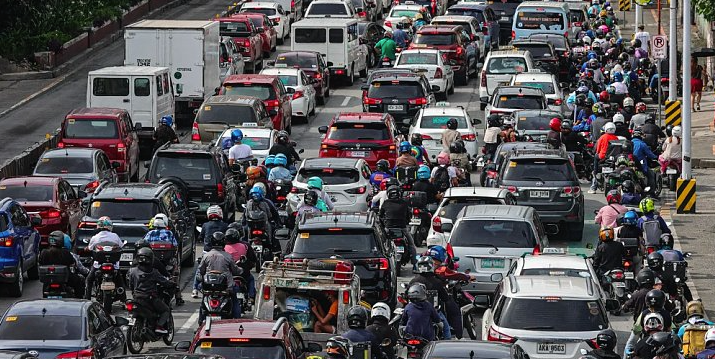
The vibrant yet chaotic pulse of Manila—a place where inefficiency creates gaps, and gaps create opportunities.
( 马尼拉那充满活力却又无序的脉动——在这里,低效制造了缝隙,而缝隙造就了机遇。)
02. The Deep Game: Philippines vs. Thailand
My journey has been a balancing act between two distinct Southeast Asian landscapes:
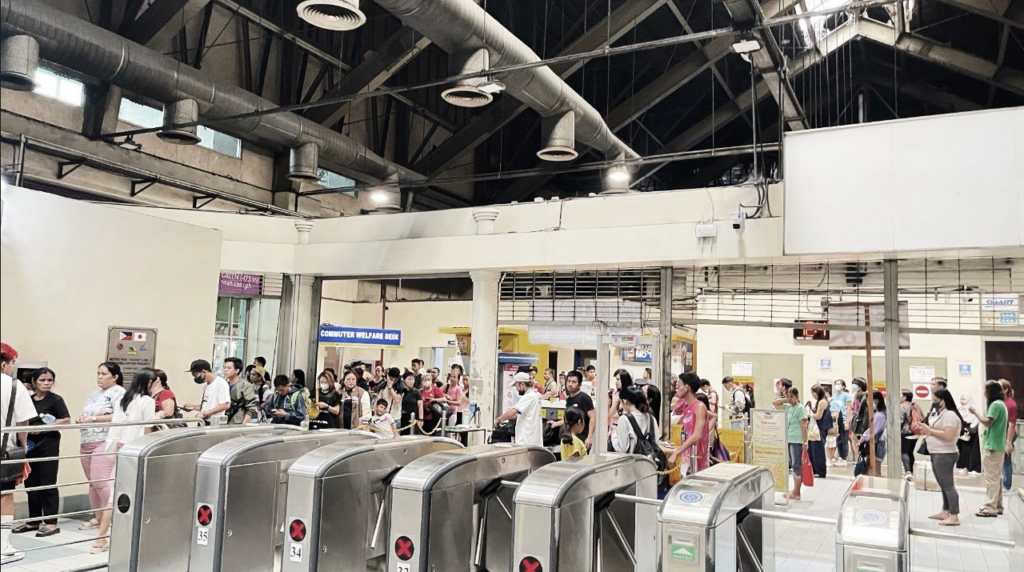
The daily grind in Manila: Where heavy congestion and slow infrastructure define the pace of life.
( 马尼拉的日常:拥挤的人群与迟缓的基建,定义了这里的生命节奏。)
1.The Philippines (10 Years): I experienced firsthand the agonizingly slow infrastructure and low efficiency. Yet, the “slow” nature of the local environment provided a unique business opportunity for highly efficient Chinese investors.
2.Thailand (2 Years): Bangkok offered me a much-needed sense of security—no guns, low crime rates, and modern infrastructure. It served as a more inclusive destination and a more stable stepping stone.
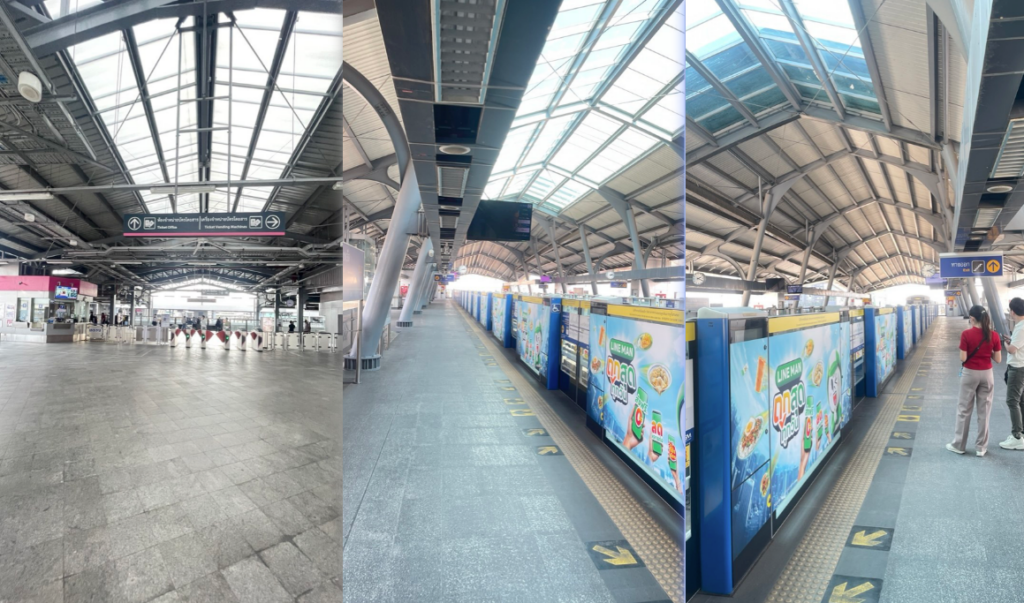
“The orderly rhythm of Bangkok: Where modern infrastructure offers not just efficiency, but a profound sense of security.“
( 曼谷的秩序感:现代化的基建带给我的不仅是效率,更是一种深层的安全感。)
It served as a more inclusive destination and a more stable stepping stone. If you are looking for a flexible way to stay here while waiting, the Thailand DTV Visa is the first option I’d recommend.
03. The “American Dream” After 40
Choosing the United States via EW3 was a calculated move. Beyond the advanced technology, I yearned for a society that is inclusive toward “middle-aged people.” In the second half of my 40s, I realized that opportunities still exist there.
Beyond the freedom from social pressures like “marriage promotion,” this path is about providing a better future for my children. During the long 8-year waiting period, I have been self-studying law and English.
A new chapter begins: Crossing boundaries and broadening horizons through the study of law.
( 开启新篇章:跨越国界,在法律的广阔天地中探索人生的无限可能。)
🔑Identity is merely a stepping stone; continuous self-improvement is the only true long-term moat.
( 身份只是敲门砖,持续的自我提升才是唯一的长期护城河。)
The Realities of the Expat Lifestyle: When Property Investment Turns into a Battle
Many people chase the expat lifestyle dreaming of passive income through overseas property investment. However, my 12-year journey as a risk controller has taught me that the biggest hazards often come from the developers we trust. Recently, a critical issue erupted at my property, SMDC Fame Residences in Mandaluyong. The property management suddenly demanded that owners pay high maintenance fees for external wall painting.
As a risk controller, I immediately spotted the red flags. The building is relatively new and should not require external maintenance yet. More importantly, the building is suffering from severe internal water leakage, which has disrupted residents and forced owners to compensate tenants for damages, causing immense emotional and financial stress. Furthermore, a tragic high-rise fall incident involving a foreigner has raised serious security alarms.
When we compared our situation with SMDC Light—an older neighboring project that conducted a much cheaper five-in-one maintenance program covering actual waterproofing—the injustice became clear. This is no longer just about property; it is a vital lesson in managing risks within an expat lifestyle. Consequently, local and foreign owners have united to draft a joint statement. We do not oppose maintenance, but we demand that our hard-earned money address the real, urgent needs of the community, rather than being collected with zero accountability.